The Rapid Rise of Drugstores in Japan
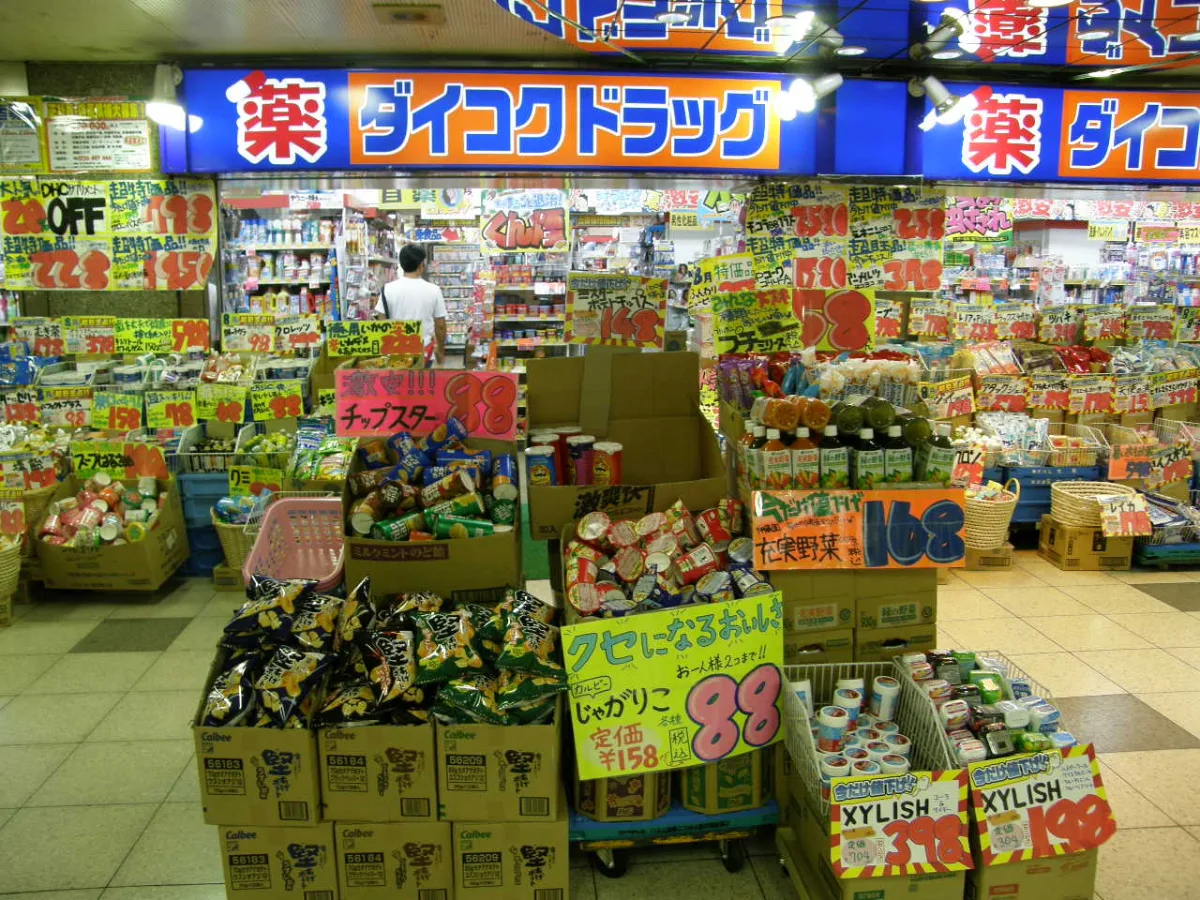
Drugstores are Japan’s most dynamic brick-and-mortar format — the newest sector to modernise, and the second-fastest-growing channel after e-commerce. Chains now control roughly two-thirds of a ¥15 trillion health & beauty market, and food is now their single biggest category.
The rise of Japan’s drugstore sector
Drugstores are among the fastest-growing retail formats in Japan, including among tourists. It is also Japan’s newest sector by far – the most recent to evolve from largely mom-and-pop store-based companies in the 1990s to a modern, profitable, and sophisticated retail sector.
While smaller than convenience stores, supermarkets, and e-commerce, this channel is the second-fastest-growing. It sells a wide range of products, but focuses on toiletries, cosmetics, household chemicals and, of course, pharmaceuticals. Most chains also sell a lot of food, and a couple of the largest are now among the country’s largest food sellers. Part of what makes the sector so modern and dynamic, and unlike some other formats, most drugstore chains maintain a clearly differentiated positioning from rivals. At the same time, cross-over merchandising makes the biggest chains a threat to supermarkets and convenience stores.
Three types of drugstore in Japan
Although all lumped together into a single format sector, there are actually three distinct types of chain drugstore in Japan, in addition to a surviving independent retail sub-section – which accounts for about 50% of all sales in government figures.
- General drugstores: General drugstore chains such as Welcia, Tsuruha and Matsumotokiyoshi are the most common in store numbers. Most offer a full range of merchandise and services, including food, cosmetics, toiletries, household chemicals and both OTC and prescription drugs. Food accounts for around 25% of sales in most cases, although this varies by chain.
- Food & drug hybrids: There are a small number of hybrid food and drug chains that have grown rapidly over the past decade. These use high profit margins on pharmaceuticals to offset discount food operations, with the largest chains seeing 50% or more of sales from food. The largest are all regional companies, such as Cosmos Yakuhin, Kusuri no Aoki and Genky Drugstores, but they are also expanding rapidly, having become very popular discounters once inflation hit Japan in 2023.
- Prescription pharmacies: There are several drugstore chains that focus primarily on prescription services, including Ainz Pharmacies and Nihon Chozai. All drugstores sell drug prescriptions to some degree, but a shortage of qualified pharmacists, the close ties to major pharmaceutical manufacturers and wholesalers, and the nature of prescription drug distribution in Japan has allowed these companies to build their market separately. The majority of independent retailers are also prescription pharmacies, often attached to medical facilities in some way.
Leading drugstore chains by sales
Japan’s large number of independent pharmacies, many of which operate immediately outside major hospitals and other clinics, as well as the shortage of qualified pharmacists, kept sales at independent drugstores high, but 2025 saw a downturn as more closed or were absorbed by larger chains. Chain drugstores of all types continue to grow strongly. Each major chain has strength in particular merchandise areas, but overall the growth in the importance of food is clear to see in the data.
Major players in the Japanese drugstore sector
Tsuruha (Welcia)
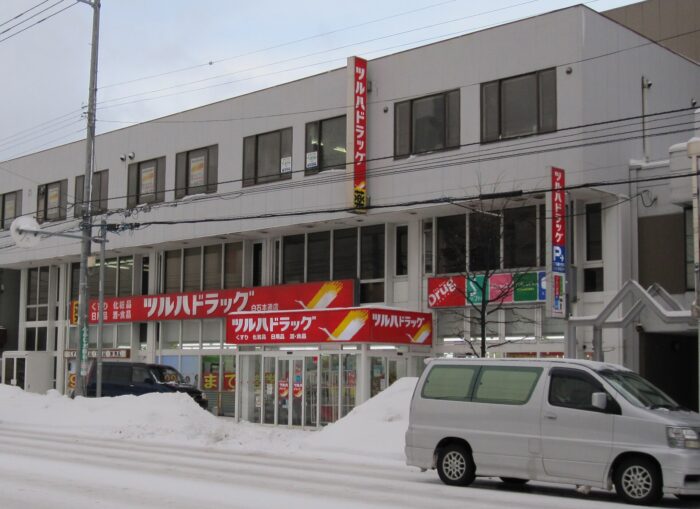
Tsuruha Holdings is currently Japan’s largest drugstore operator, focusing on general drugstores under several banners and operating stores nationwide with a growing focus on food, dispensing and healthcare services, including private brands. In the fiscal year ended February 2025, Tsuruha generated net sales of about ¥845.6 billion, but this was from a reduced year (June to February) as the company merged with Welcia Holdings at the end of 2025. The newly created company has total sales of roughly ¥2.3 trillion and more than 5,600 stores. Welcia is the drugstore arm of Aeon, Japan’s largest retail conglomerate.
Matsukiyo Cocokara & Co
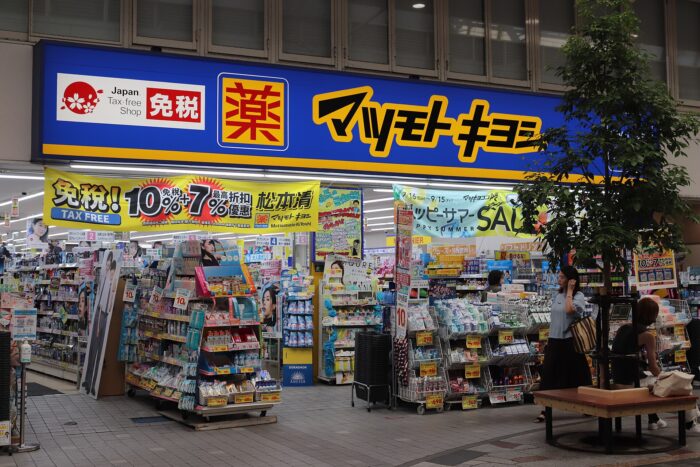
MatsukiyoCocokara & Co operates the Matsumotokiyoshi and Cocokara Fine banners following the 2021 merger of the two companies. It is a general drugstore chain, operating nationwide, but Matsukiyo is heavily concentrated in Tokyo and focuses on cosmetics, household products and health foods. Cocokara is slightly smaller, but the two banners now complement each other. In the year ended March 2025, the company generated consolidated net sales of roughly ¥1.06 trillion. Its strategy emphasises private-label development, digital services and urban store expansion.
Cosmos Yakuhin
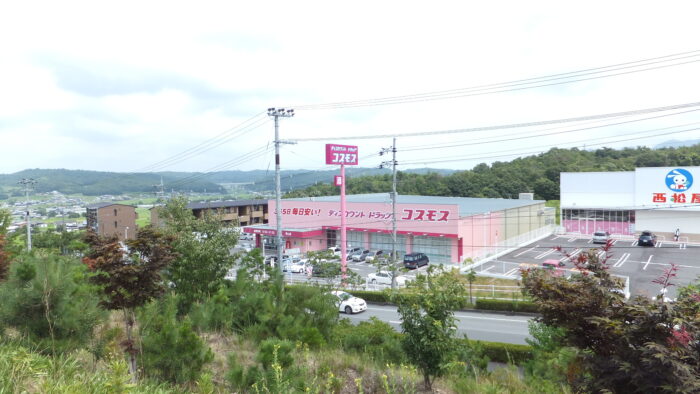
Cosmos Yakuhin (Cosmos Pharmaceutical) is the largest food & drug hybrid drugstore chain in Japan. It is well known for its everyday low price model and large-format stores concentrated in Kyushu and western Japan, but it is now rapidly expanding north, opening more large stores than any other retailer over the past two years. Its outlets emphasise groceries and daily necessities alongside medicines and cosmetics. In the year to May 2025, Cosmos achieved net sales of about ¥1.01 trillion, its first time surpassing the ¥1 trillion mark, with double-digit profit growth driven largely by food sales. The company continues to expand rapidly, opening around 100 new stores annually.
Drugstores: Japan’s Fastest Growing Retailers
JapanConsuming’s in-depth drugstore analysis tracks how the sector is accelerating through category change, consolidation and productivity rather than simple store proliferation. It sizes the ¥15.4 trillion health & beauty market, maps the general, food & drug hybrid and pharmacy sub-formats, and ranks the leading operators. Full drugstore coverage is available to Enterprise subscribers of JapanConsuming.
In the report
- Report Summary
- Is the ¥10 Trillion retail sector still accelerating?
- Merchandise Categories: Where the Money Is
- Industry Structure: The March of the Chains
- A shrinking number of operators
- Drugstore M&A getting more frequent and bigger
- Consumer Behaviour: What Is Changing?
- Financial Performance of Leading Companies
- Company-by-Company Analysis
- Geographical Spread of Drugstores
- Strategic Themes and Outlook
- Drugstores Integrate Prescription Dispensing
List of charts
- Drugstore Sales outperform all other format sectors, 2015-2025
- Major Format Sectors, CAGR 2015-2019 and 2020-2025
- Sales levels and Year on Year Change for Chain Drugstores and H&B Retail Total, 2015-2025
- Chain Drugstore Sales by Major Category, 2015-2025
- Main Drugstore Formats by Category Sales, FY2024
- Drugstore Ranking, Sales and Operating Profits, FY2024
- Drugstore Ranking, Store Numbers, Sales per Store, FY2024
- Leading Prescription Pharmacies, FY2024
- Chains Ranking Highest by Prefecture, FY2024
- Top 3 Chains by Region, FY2024